


No products in the cart.
How to Abandon Your Amazon Cart To Trigger a Sweet Discount
[ad_1]
Let’s be honest: sometimes the only thing standing between you and that $200 Amazon haul is a tiny bit of hesitation. The good news? Amazon knows that. And occasionally (especially if you play it smart) they’ll nudge you to finish that purchase with a lower price, coupon, or discount code. Here’s how to “abandon” your Amazon cart strategically, and how to stack your odds of triggering a price drop.

Step 1: Fill That Cart Like You Mean It
This isn’t the time to add just one pair of socks and hope Jeff Bezos starts sweating. Go big. Add the actual stuff you’ve been eyeing, as long as it’s sold by Amazon or a competitive third-party seller.
Think of the following categories:
- Mid-range electronics
- Vitamins and supplements
- Kitchen gear
- Home organization stuff
- Clothing (especially niche or overstock)
Skip groceries and digital items. Those rarely change price in response to cart activity.
Once your cart’s full just… walk away. Close the browser tab or exit the app. Do NOT save anything for later. That kills the effect.
PRO TIP: USE A PRIVATE BROWSER
If you’re a longtime Prime member with hundreds of purchases under your belt, Amazon knows you’re likely to check out anyway. That means they’re less likely to serve you a deal to win you over.
Try this instead:
- Use Incognito Mode or a fresh browser to simulate a “newish” customer.
- OR log in with a second Amazon account (you can even create one just for this trick).
Sellers are more likely to offer first-time customer promos or discounts on accounts that look less committed.
See Also: Other Retailers Who’ll Reward You For Abandoning Your Cart
Step 2: Abandon With Purpose
Most people assume Amazon forgets about you when you don’t check out. Not true. In fact, Amazon tracks cart behavior like a hawk. And for third-party sellers especially, it’s a big red flag when someone adds their product… and then bounces.
That triggers something called dynamic pricing. An automated tools that many sellers use to adjust their price (sometimes hourly) to stay competitive and close sales.
Leave the cart alone for at least 48 to 72 hours. Sometimes you’ll get a subtle “Still thinking it over?” email. Sometimes you’ll just notice one of your items quietly drop $5.
PRO TIP: BUILD A WISHLIST “TRAP”
Ready to commit to a fake cart? If so, try this even sneakier tactic: create a public wishlist and call it something like “Stuff I Might Actually Buy.”
Load it up with items you’re watching and might potentially purchase. Then just… exist…and wait for Amazon to email you price drop alerts (or even some coupons) tied to that wishlist.
Bonus: This also works great for gift ideas. I’ll create a list for “Holiday Gifts for Mom” in July, and watch the discounts roll in by fall. Try it!
Step 3: Watch for a Nudge
The goal isn’t to get a coupon code directly from Amazon (that almost never happens anymore).
What you’re looking for is:
- A price drop on one or more of your items.
- A coupon that now shows up under the price (some are account-specific and didn’t appear before).
- An email notification about Wishlist or cart changes.
- A seller message offering a promo to close the deal.
If nothing happens after 3 days, try removing one item, then adding it back in. That sometimes re-triggers the dynamic pricing software.
PRO TIP: DON’T CLICK “BUY NOW” TOO EARLY
If you’re someone who usually one-clicks their way through Amazon, STOP. The “Buy Now” button bypasses the cart and kills any chance of triggering a discount.
Leave the items in your cart. Don’t touch them. Don’t refresh them five times a day like a psycho. Just let the algorithm do its thing.
BONUS STRATEGY: “Follow” Your Favorite Brands

Want to get ahead of the discount curve? Start following your favorite brands on Amazon.
Yep…it’s a feature almost nobody uses, but in my experience it actually works.
Here’s how:
- Search for a brand you buy from often (like Anker, Carhartt, or Revlon).
- On their Amazon storefront page, click the “+ Follow” button near the top.
I’ve found that Amazon will occasionally send me brand-specific promos straight to my email or my Amazon homepage feed.
It’s my guess that some sellers will even use this as a way to test out deals before launching them to everybody.
It’s not going to a trigger a discount immediately, but when you pair it with cart-abandoning, you’re basically throwing a couple lines in the water a popping open a beer.
Does This Hack Always Work?
Nope. Amazon’s too smart for this to work every time. And lately, they’ve tightened up the obvious discount triggers for veteran customers.
But third-party sellers are the wildcard. Many are desperate to close a sale and will tinker with prices when they see abandoned carts piling up.
Even better? It costs you nothing to try. Worst-case scenario, the price stays the same. Best case? You score a lower price without lifting a finger.
Real Life Example When This Worked For Me

Back on June 8th, I added this INIU Wireless Charger Stand, a 15W fast-charging pad I’ve been eyeing (priced at $25.64) to my Amazon cart but did NOT check out.
Two days later, I opened the product page again and noticed something new: right under the price was a green badge that read “Save 15% with brand promotion.”
Curious, I hovered over it and saw I qualified for a tailored discount, just for being in the brand’s target audience. Amazon didn’t email me or alert me, it just appeared.
When I clicked the little checkbox next to “Redeem,” the discount kicked in automatically at checkout.
The price dropped from $25.64 to $21.79 and no coupon code was needed. This wasn’t a lightning deal or a clipped coupon, it seemed to be a Brand Tailored Promotion, quietly offered to shoppers like me who had shown interest but hadn’t yet purchased.
I was curious, so I opened up another browser and checked on the price. Yep, it was still $25.64 for everyone else. This little hack saved me almost 4 bucks for doing absolutely nothing.
Ask the Reader: Let me know in the comments if you’ve had success with this Amazon hack and how much money you’ve save?

By Kyle James

I started Rather-Be-Shopping.com in 2000 and have become a consumer expert and advocate writing about out-of-the-box ways to save at stores like Amazon, Walmart, Target and Costco to name a few. I’ve been featured on FOX News, Good Morning America, and the NY Times talking about my savings tips. (Learn more)
[ad_2]
Source link

About author

Related posts

Nabha Dynasty – Importance and History in Sikh Heritage Connecting the Legacy of Nabha Riyasat with the 2026 Dastar Bandi of the Kunwar Abhiuday Partap... Continue reading
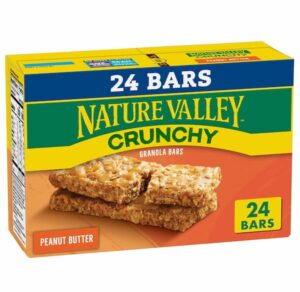
[ad_1] Stock up on Nature Valley Crunchy Granola Bars! Amazon has this Nature Valley Crunchy Granola Bars 24 Bars for only $2.26 shipped when you... Continue reading
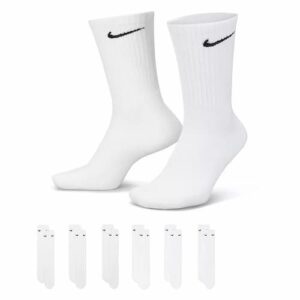
[ad_1] This is a great deal on these popular socks! Kohl’s has these Men’s Nike 6-Pack Everyday Cushioned Crew Training Socks for only $16.80 right... Continue reading
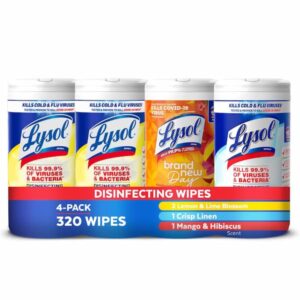
[ad_1] Stock up on Lysol Disinfectant Wipes with this great price! Amazon has these Lysol Disinfectant Wipes 80-Count Canisters 4-Count for only $11.23 shipped when... Continue reading
Add comment