


No products in the cart.
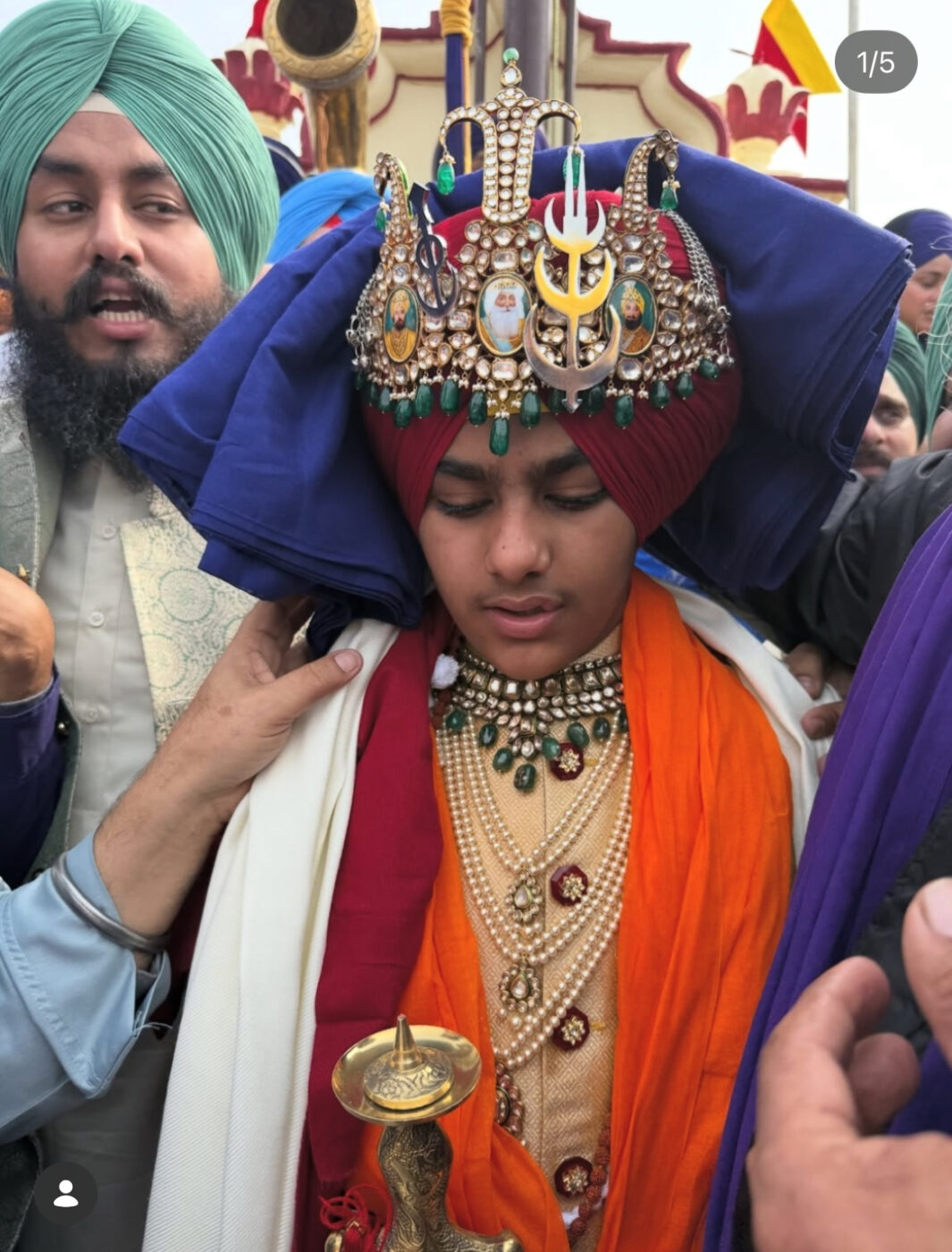
Nabha Dynasty – Importance and History in Sikh Heritage : Dastar Bandi of Kunwar Abhiuday Partap Singh (02.02.2026)
Nabha Dynasty – Importance and History in Sikh Heritage
Connecting the Legacy of Nabha Riyasat with the 2026 Dastar Bandi of the Kunwar Abhiuday Partap Singh
Introduction
Among the historic Sikh princely states, Nabha Dynasty holds a special and dignified position. Rich in Sikh heritage, martial valor, cultural depth, and royal traditions, Nabha has preserved the essence of Sikh sovereignty for centuries. From its early formation to its active role in the Sikh Empire and the British era, the Nabha Riyasat has remained a symbol of honour and Gurmat-inspired leadership.
On 02 February 2026, the Royal Dastar Bandi of the Kunwar Abhiuday Partap Singh of Nabha Riyasat once again brought global attention to this prestigious dynasty. The ceremony beautifully showcased Sikh cultural grandeur, royal etiquette, and the living heritage of Punjab.
This blog explores the historical importance of the Nabha Dynasty and its cultural influence today.
Origins of Nabha Dynasty
The Nabha State was established in the 18th century by Baba Gurbaksh Singh, a descendant of the founder of the Phulkian states. Nabha later emerged as an influential Sikh princely state under Sardar Hamir Singh and subsequently Maharajas like Ripudaman Singh and Pratap Singh.
The state was recognized for:
Strong Sikh governance
Patronage of Sikh institutions
Rich cultural and artistic contributions
Maintaining Punjab’s martial traditions
Role in Sikh Heritage
1. Patronage of Gurdwaras and Sikh Scholars
Nabha rulers supported the management and preservation of historical Gurdwaras. Maharaja Ripudaman Singh was known for promoting Sikh literature, scriptures, and reformist movements.
2. Defender of Sikh Identity
Nabha played a crucial role in preserving Sikh sovereignty, especially during the Singh Sabha movement, helping define Sikh identity in the 19th and early 20th centuries.
3. Custodian of Royal Sikh Traditions
Royal ceremonies such as Dastar Bandi, Shastra Seva, and Gurpurab celebrations continue to reflect Sikh philosophy of grace, honour, and responsibility.
Dastar Bandi of the Kunwar Abhiuday Partap Singh (02.02.2026) – A Moment of Pride

Nabha Dynasty – Importance and History in Sikh Heritage: The 2026 Dastar Bandi ceremony revived the royal traditions of Punjab. Held in the presence of Sikh scholars, dignitaries, and global Punjabi diaspora, the ceremony symbolized:
Transition of the prince into leadership
Commitment to Sikh values—Seva, Simran, and Courage
Preservation of Punjabi heritage and royal dignity
Continuation of a 300-year-old lineage
The Dastar, tied with care and pride, reminded the world that Sikh heritage is living, powerful, and ever-inspiring.
Cultural Aesthetics – A Royal Touch
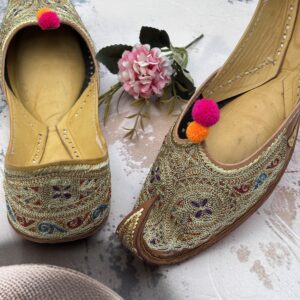
Events linked with Sikh royalty always reflect exquisite Punjabi artistry—especially in attire and footwear. Traditional Punjabi Juttis, which have been worn in royal courts for centuries, continue to be a symbol of elegance.
At Sandoori Jutti (https://sandoori.com), we take inspiration from the same royal heritage:
Hand-embroidered designs
Traditional Phulkari & Zari work
Soft cushioning for modern comfort
Styles inspired by Punjab’s princely history
Just like the royal families of Nabha, Punjabi juttis represent timeless elegance and cultural pride.
Conclusion
The Nabha Dynasty remains one of the most influential pillars of Sikh heritage—known for its commitment to Sikh values, literature, culture, and royal traditions. The 2026 Dastar Bandi of the Kunwar Abhiuday Partap Singh beautifully reignited the legacy of honour, responsibility, and cultural richness.
Preserving heritage is not just about history—
it is about carrying forward traditions with love, pride, and authenticity.
check more photographs here.
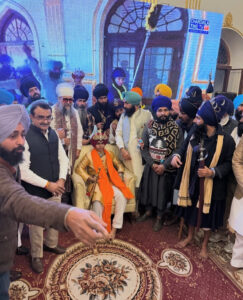
नाभा रियासत – सिख विरासत में महत्व और गौरवशाली इतिहास
02.02.2026 को नाभा रियासत के कुंवर की दस्तार बंदी से जुड़ा ऐतिहासिक संदर्भ
भूमिका
सिख इतिहास में जिन रियासतों ने विशेष योगदान दिया, उनमें नाभा रियासत का स्थान अत्यंत सम्मानित है। सिख शासन, सांस्कृतिक धरोहर, शौर्य और राजसी परंपराओं के लिए प्रसिद्ध नाभा का इतिहास पंजाब की अस्मिता से गहराई से जुड़ा हुआ है।
02 फ़रवरी 2026 को आयोजित नाभा रियासत के कुंवर की दस्तार बंदी ने एक बार फिर पूरी दुनिया का ध्यान इस गौरवशाली वंश की ओर आकर्षित किया। यह समारोह सिख संस्कृति, शाही मर्यादा और पंजाबी विरासत का अद्भुत संगम था।
नाभा रियासत का इतिहास
नाभा राज्य की स्थापना 18वीं शताब्दी में बाबा गुरबख्श सिंह द्वारा की गई थी। बाद के शासकों—सरदार हमीर सिंह, महाराजा रिपुदमन सिंह और महाराजा प्रताप सिंह—ने इसे एक सशक्त सिख रियासत के रूप में स्थापित किया।
यह रियासत प्रसिद्ध थी:
सिख संस्थानों के संरक्षण के लिए
पंजाबी कला और साहित्य को बढ़ावा देने के लिए
सिख पहचान और स्वाभिमान को बनाए रखने के लिए
शौर्य एवं राजसी परंपराओं के लिए
सिख विरासत में नाभा रियासत का महत्व
1. गुरुद्वारों और साहित्य का संरक्षण
नाभा के शासकों ने ऐतिहासिक गुरुद्वारों, सिख ग्रंथों और विद्वानों को निरंतर सहारा दिया।
2. सिख पहचान की रक्षा
सिंह सभा आंदोलन के दौरान नाभा ने सिख पहचान को स्थापित और संरक्षित करने में महत्वपूर्ण भूमिका निभाई।
3. शाही परंपराओं का संवर्धन
दस्तार बंदी जैसे राजसी समारोह सिख मूल्यों—सम्मान, जिम्मेदारी और मर्यादा—को जीवंत रखते हैं।
कुंवर की दस्तार बंदी (02.02.2026) – एक गौरवशाली क्षण
नाभा रियासत में आयोजित 2026 की शाही दस्तार बंदी सांस्कृतिक धरोहर का शानदार प्रदर्शन थी। यह समारोह दर्शाता है:
नेतृत्व का आरंभ
सिख सिद्धांतों के प्रति समर्पण
परंपराओं की निरंतरता
तीन सौ वर्ष पुरानी शाही विरासत का सम्मान
दस्तार सिर्फ़ एक पगड़ी नहीं—
यह सम्मान, जिम्मेदारी और शौर्य का प्रतीक है।
सांस्कृतिक सौंदर्य – पंजाबी जुत्ती की परंपरा
शाही समारोहों में पंजाबी कला हमेशा दिखाई देती है, विशेषकर हाथ से बनी पंजाबी जुत्ती में। प्राचीन समय में राजदरबारों में पहनी जाने वाली जुत्तियाँ आज भी परंपरा और शान का प्रतीक हैं।
Sandoori Jutti (https://sandoori.com) इसी विरासत से प्रेरित सुंदर जुत्तियाँ प्रस्तुत करता है:

हाथ की कढ़ाई
फुलकारी और ज़री आर्टवर्क
आरामदायक डिज़ाइन
शाही और पारंपरिक लुक

समापन
नाभा रियासत सिख इतिहास की एक अद्वितीय धरोहर है।
02.02.2026 की दस्तार बंदी ने इस विरासत को और अधिक जीवंत, गौरवपूर्ण और आधुनिक पीढ़ियों के लिए प्रेरणादायक बना दिया।
विरासत को संजोना इतिहास लिखना नहीं—
उसे गर्व से जीना है।


About author

Related posts

The Origin, Rise, and Present Position of the Cockroach Janta Party (CJP): How a Meme Became a Movement In the age of Instagram reels, viral... Continue reading

Timeless Luxury: Famous Watch Brands You Should Know Famous Luxury Watch Brands: History, Iconic Models Watches are more than just instruments for telling time—they are... Continue reading

[ad_1] Stock up on Nature Valley Crunchy Granola Bars! Amazon has this Nature Valley Crunchy Granola Bars 24 Bars for only $2.26 shipped when you... Continue reading
Add comment